Thoughts are natural
When you lose focus, gently return without judging yourself.
 Ánanda MárgaKAOHSIUNG YOGA & MEDITATION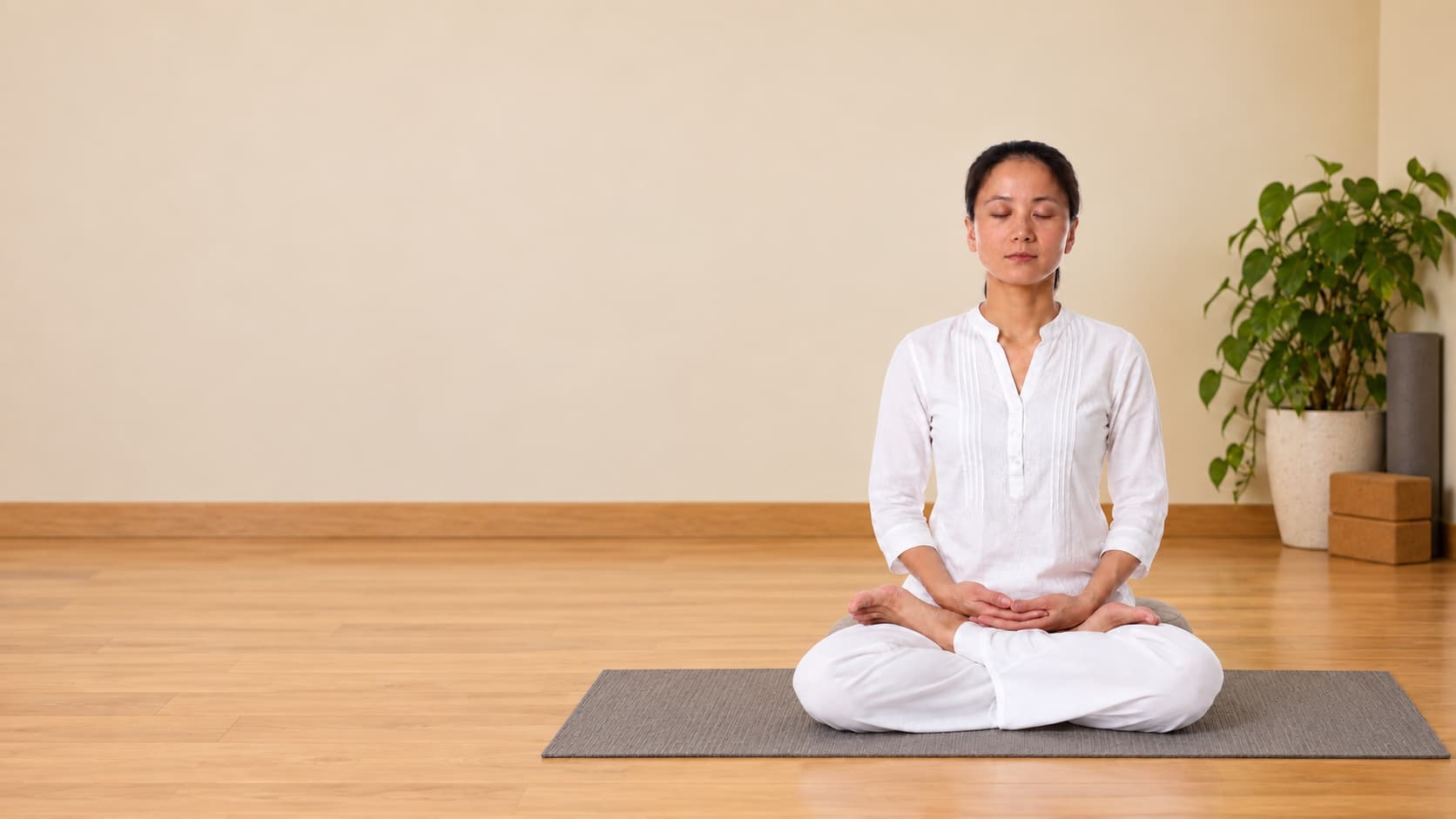
Meditation can be learned. Begin with clear personal guidance and build a practice that belongs in everyday life.
Ask about meditationIt is natural for attention to wander. Practice means noticing that movement and patiently returning to a meaningful focus.
When you lose focus, gently return without judging yourself.
Calm is usually a result of practice, not a requirement for starting.
A short, sincere practice repeated regularly can fit real life.
Beginners can start with personal instruction. Practice at home, return with questions and deepen your learning when the foundation becomes steady.
Meet a trained teacher, ask questions and learn a meditation technique suited to you.
Start with a manageable duration and let posture, timing and place support your practice.
Return for guidance and learn further methods when you are ready.
A teacher offers continuing guidance. Traditionally, male teachers instruct men and female teachers instruct women individually.
The separate Kaohsiung class meets every other Saturday morning and is donation based. Please confirm before attending.
View class schedulePosture, breathing and concentration help the body settle and give the mind a clear direction.
Choose a stable, relaxed way of sitting that works for your body. Flexibility is not required.
Allow a few quiet moments for the breath to settle as you turn inward.
A mantra is a sound used in meditation to give attention a meaningful focus and a point of return.
Practice can move beyond relaxation toward self-knowledge, connection and care for others.
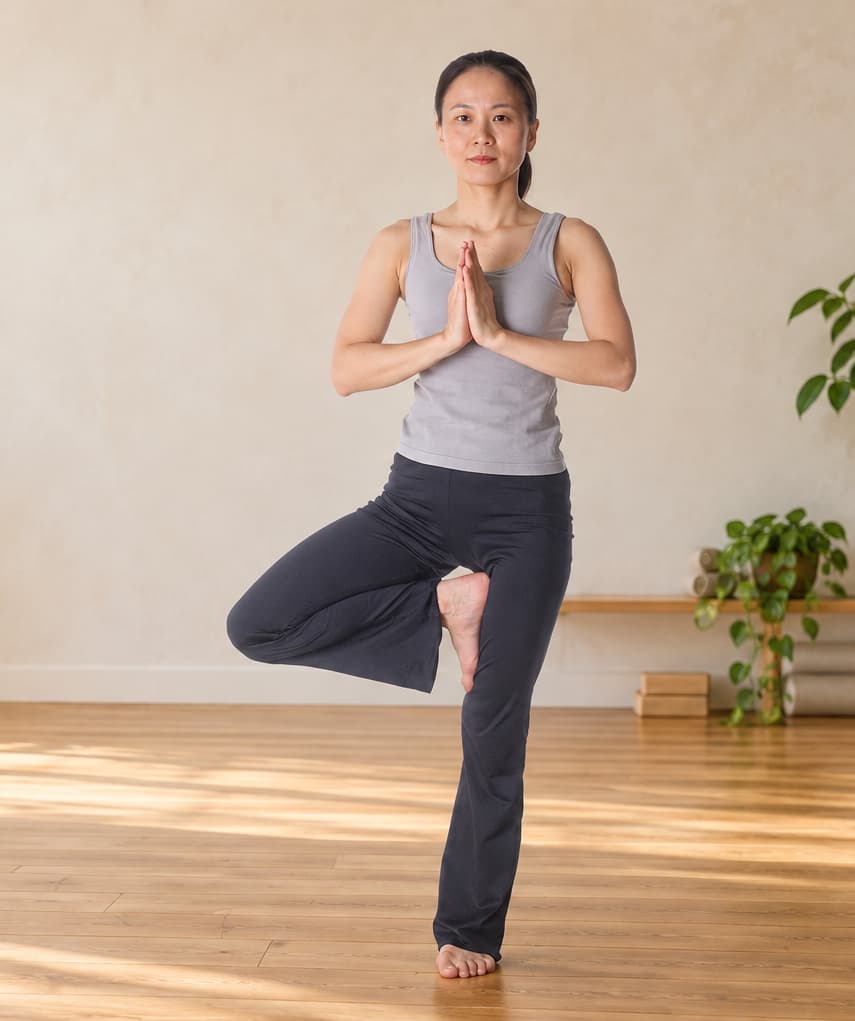
A restless or uncomfortable body can make sitting difficult. Gentle yoga postures, breathing, self-massage and deep relaxation help release tension. Meditation gives that physical calm an inward direction.
Regular practice can also support attention, self-understanding and a more patient way of relating to others. Each person's experience is different.
Leave a little space between experience and response.
Return to what matters, again and again.
Observe thoughts and feelings with more room.
Notice habits and motivations more clearly.
Meet yourself and others with understanding.
Connect daily choices with a wider purpose.
Regularity matters more than perfection. Begin at a level you can maintain. If you miss a session, simply begin again.
Set a convenient regular time.
Find a clean, quiet corner.
Sit for a manageable duration.
Ask your teacher when questions arise.